High Pressure Rotary Joint
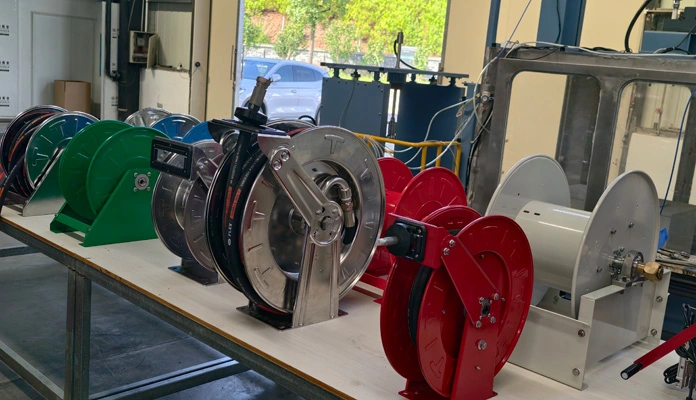
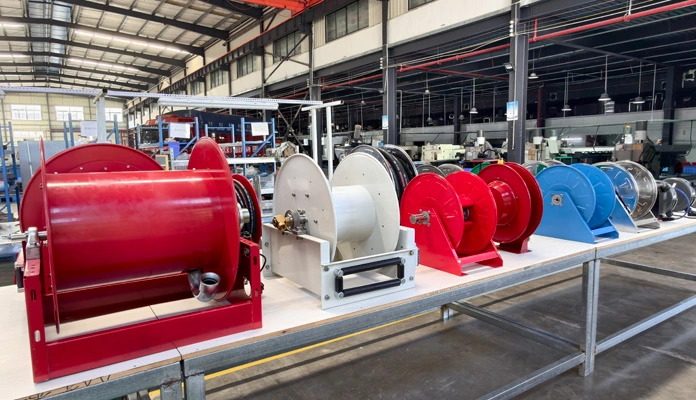
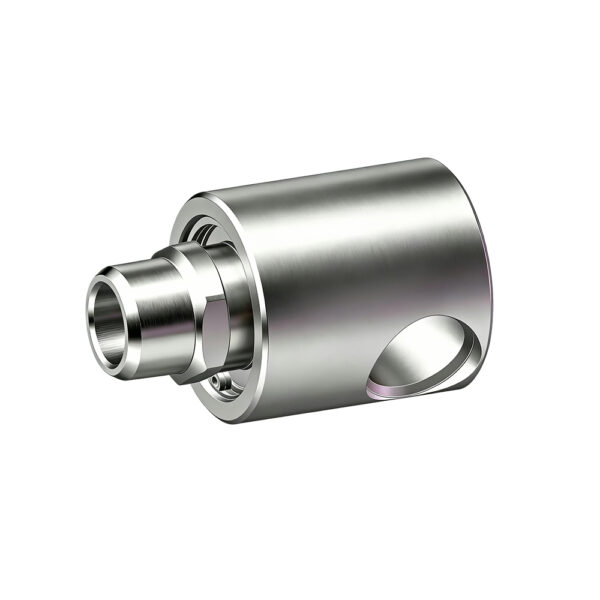
High Pressure Rotary Joint is a precision mechanical sealing component used to connect hoses with hose reel assemblies, enabling safe and leak-free transfer of high-pressure fluids between stationary pipelines and rotating equipment. It is suitable for conveying various media, including water, hydraulic oil, and compressed air. Made with a durable 304 stainless steel housing, this high pressure rotary joint provides excellent corrosion resistance and oxidation resistance for long-term operation. The advanced sealing structure with wear-resistant self-lubricating materials helps maintain stable performance while reducing leakage risks. Designed for industrial hose reel systems, it ensures smooth rotation, reliable fluid transmission, and extended service life in applications such as hydraulic equipment, cleaning systems, and industrial fluid handling.
Product Specification
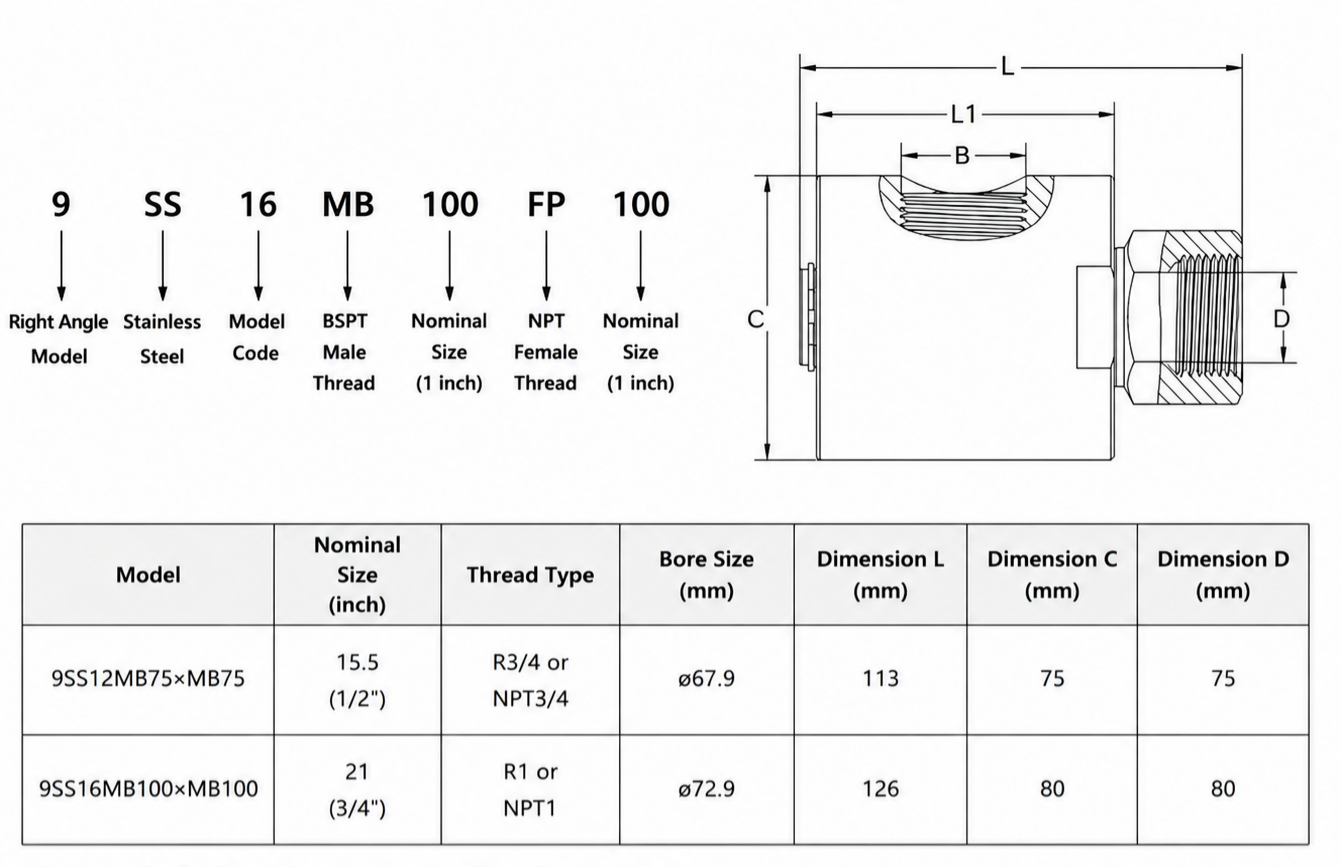
| Parameter | Specification |
|---|---|
| Body Material | 304 Stainless Steel, PTFE + Carbon Fiber/NBR or UPE/NBR |
| Maximum Speed | ≤150 RPM |
| Working Pressure | ≤40 MPa |
| Working Temperature | -20℃ ~ +150℃ |
| Applicable Fluid | Water, Hydraulic Oil, Air |
Structural Features
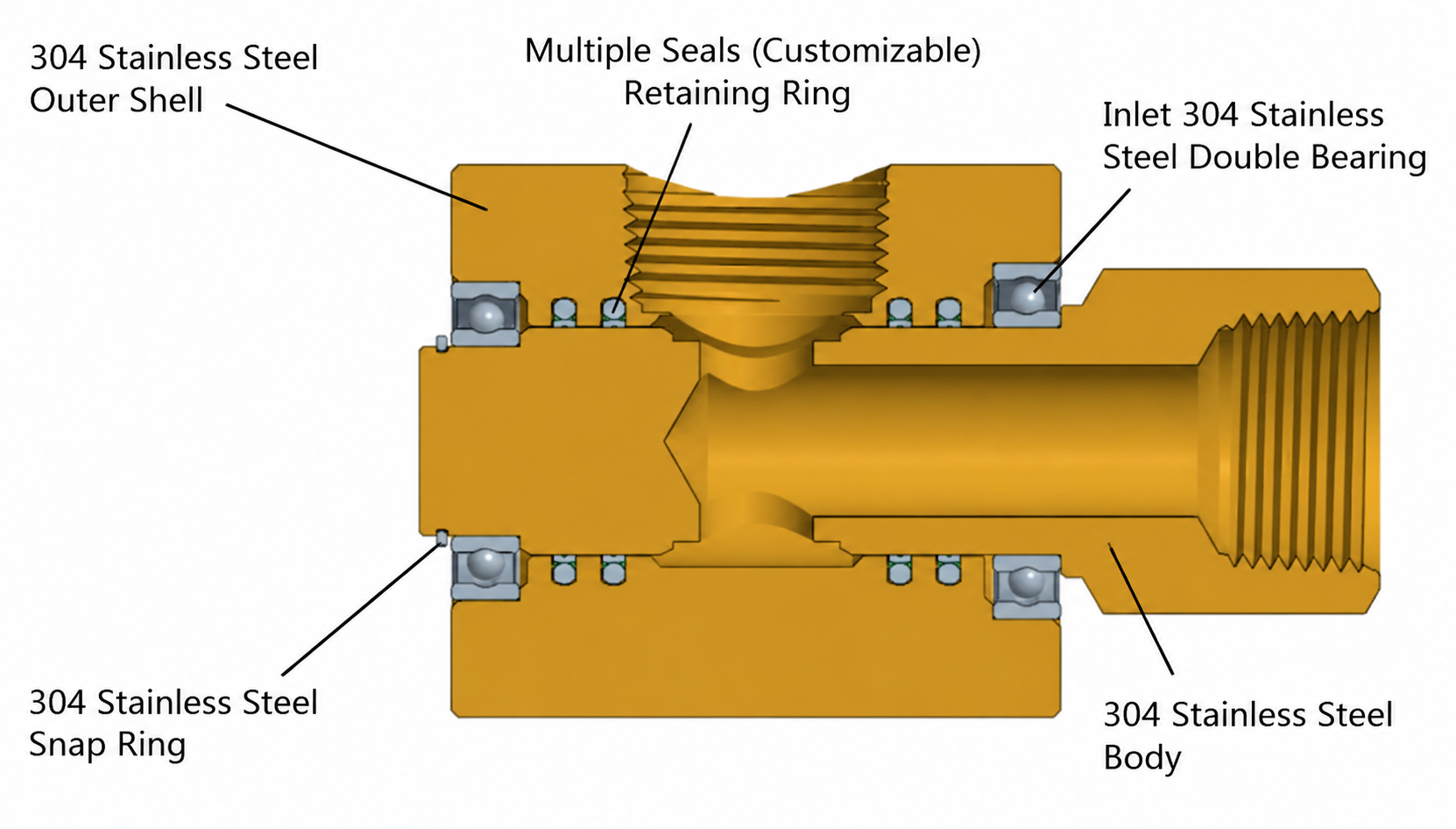
- The main housing is made of 304 stainless steel, offering excellent corrosion resistance and oxidation resistance. It is suitable for a wide range of operating environments and compatible with various fluid media.
- The rotary seal adopts high-quality imported wear-resistant self-lubricating materials and features a wear compensation function during operation, effectively preventing fluid leakage.
- Equipped with multi-stage sealing rings, the rotary joint provides superior wear resistance, corrosion resistance, and high-temperature resistance. This significantly extends the overall service life of the equipment while ensuring more stable and reliable operation.
Installation and Operation Instructions
- Before installation, inspect the inside of the joint, sealing surfaces, and inlet/outlet ports to ensure they are free from impurities, metal particles, or debris. Clean the pipeline system in advance to prevent hard particles from damaging the sealing components.
- Install the rotary joint according to the indicated fluid flow direction. Tighten threaded connections evenly and avoid forced tightening from one side to prevent housing deformation and seal failure.
- Operate within the specified working parameters. Do not exceed the rated pressure, temperature, or maximum RPM. Select sealing materials according to the fluid medium requirements, and do not use incompatible fluids such as corrosive chemicals or strong solvents.
- Before normal operation, run the equipment at low speed without load to check for leakage, abnormal friction, or unusual noise. Gradually increase pressure and speed only after confirming stable operation.
- Ensure proper alignment between the rotating and stationary components. Avoid eccentric installation, misalignment, pipe tension, excessive torque, or radial loading to prevent uneven seal wear and premature failure.
Preventive Maintenance
- Routine Inspection:Regularly inspect connection points for leakage, fluid seepage, overheating, abnormal vibration, or unusual noise. Investigate and resolve any minor leakage issues promptly.
- Regular Cleaning:Clean the external surface and connection areas of the rotary joint after extended use. Keep the unit clean to maintain proper heat dissipation and appearance. Prevent long-term exposure to acidic or alkaline substances that may cause corrosion of the 304 stainless steel housing.
- Seal Maintenance:Inspect the sealing components regularly according to operating conditions, especially in high-pressure, high-temperature, or frequent-rotation applications. Replace worn or aged seals promptly to prevent leakage and maintain sealing performance.
- Long-Term Shutdown Maintenance:Before extended shutdown periods, drain any remaining fluid from the rotary joint and store it in a clean, dry environment. For humid environments, apply appropriate anti-corrosion protection to prevent seal aging or hardening caused by prolonged storage.
- Lubrication Maintenance:The built-in self-lubricating sealing structure eliminates the need for additional lubrication under normal operating conditions. For special high-speed applications, add suitable lubricant according to operating requirements to reduce rotational friction and wear.
| Material | 304 |
|---|---|
| Working Temperature | -20℃ ~ +150℃ |
| Max Pressure(bar) | 400 |
Customization Request
Can not find the product you need? Get a personalized customization plan.
Contact SupportApplication Solutions
We provide professional customized product application solutions.
Contact an Expert