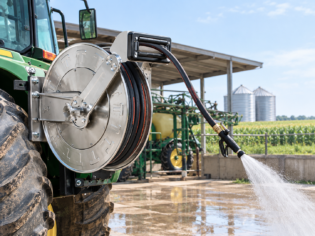
Hose Reels: How to Avoid Safety Hazards
June 15, 2026 | Industrial Hose Reels
Introduction
In industrial manufacturing, construction sites, automotive repair shops, equipment maintenance facilities, and cleaning operations, hoses play a critical role in transferring air, water, oil, chemicals, and other fluids. However, if there’s no efficient hose management, hose can be the main cause for workplace safety accidents、equipment damage and operational inefficiencies.
Poorly managed hoses not only create trip and slip hazards for employees but can also lead to leaks, hose bursts, damaged fittings, equipment failures, production downtime, and even serious injuries. In high-pressure air, water, and industrial fluid transfer systems, hose safety becomes even more critical and should never be ignored.
Implementing proper industrial hose reel safety management is one of the most effective measures to reduce hose-related risks. By keeping hoses neatly stored, properly organized, and readily available, businesses can improve workplace hose safety, enhance workplace tidiness, and extend the lifespan of hoses and related equipment.
In this article, we will explore the common safety risks associated with improper hose management and explain how selecting and using the right hose reel can improve workplace safety and operational efficiency.
1. What Safety Hazards Can Improper Hose Management Create?
1.1 Trip and Fall Hazards
One of the most common workplace safety risks associated with poor hose management is the increased likelihood of trips and falls. When hoses are left on the ground, people may fail to notice them, resulting in slips, trips, and serious injuries. In addition, hoses lying across traffic lanes can obstruct the movement of forklifts, carts, and other vehicles, creating additional safety concerns and disrupting normal operations.
1.2 Hose Whip and Recoil Injuries
Improperly stored or handled hoses can also pose a significant risk of hose whip or recoil injuries. Hoses that are loosely coiled, tangled, or left under pressure may move unexpectedly when pressure changes occur or when fittings become disconnected.
Pressurized air, water, or fluid hoses can suddenly whip, swing, or recoil with considerable force, potentially striking nearby workers or damaging equipment. In industrial environments where high-pressure systems are common, such incidents can result in severe injuries and costly downtime.
1.3 Cluttered Work Areas and Reduced Productivity
Scattered hoses create a cluttered work environment, reduce daily operational efficiency, and increase safety risks. Employees may waste valuable time locating, untangling, or repositioning hoses before they can even begin their work.
A disorganized workspace not only hampers productivity but also reflects poor workplace organization and safety management. When hoses become entangled with tools, cables, or equipment, the likelihood of operational errors and workplace accidents rises.
2.Hose Reel Safety Best Practices
2. 1 Keep the Work Area Tidy
Keeping the work area organized is one of the most effective ways to reduce hoses safety. After each use, hoses should be promptly tidied up and stored away, rather than left scattered on the floor, in walkways, or in the work area.
Through standardizing hose management workplace safety can be significantly improved, while also creating a more efficient work environment. Great management practices also help identify potential issues in time, preventing them from escalating into more serious safety incidents.
2.2Choose the Right Hose Reel Specifications
Selecting the appropriate hose reel is the foundation of safe and efficient hose management. First, the reel capacity should match the hose length being used. A reel that is too small may cause excessive hose stress and improper winding, while an oversized reel may reduce storage efficiency.
It is also important to select a hose reel that is rated for the system’s working pressure. In applications involving compressed air, high-pressure water, or industrial fluid transfer, the reel structure and components must be capable of handling the required pressure safely.
In addition, environmental conditions should be considered when choosing reel materials. Stainless steel hose reels are ideal for outdoor, humid, or corrosive environments, while powder-coated steel reels may be suitable for general industrial applications. Selecting the right specifications and materials can improve operational safety, extend equipment life, and reduce maintenance costs.
2.3 Regularly Inspect Critical Hose Reel Components
To ensure long-term performance and safe operation, key hose reel components should be inspected on a regular basis:
Spring Mechanism: Check whether the retraction force remains consistent and whether there are signs of fatigue, wear, or damage. In spring driven hose reels, the internal spring mechanism plays a critical role in controlling hose retraction speed and ensuring safe operation. Insufficient spring tension may prevent proper hose retraction, while excessive tension can cause the hose to retract too quickly and create safety hazards.
Swivel Joint: Inspect for leaks, excessive wear, or restricted movement. The swivel joint is essential for maintaining continuous fluid flow and proper sealing performance.
Hose Guide: Check the guide frame for wear, deformation, or looseness to ensure the hose winds evenly and to prevent excessive localized wear.
Mounting Bracket: Verify that the mounting bolts and bracket structure are secure to prevent the reel from loosening or even detaching due to prolonged vibration or load.
Routine inspections help identify potential issues early, reducing the likelihood of equipment failure, downtime, and workplace accidents.
2.4 Avoid Overloading the Hose Reel
Using a reel beyond its rated hose capacity can increase mechanical stress and reduce service life. For applications involving heavy hoses or frequent industrial use, a Heavy Duty Hose Reel with higher load capacity may provide better long-term reliability.
- Do not exceed the reel’s rated hose capacity.
- Do not exceed the maximum working pressure specified for the hose reel and hose assembly.
- Follow the manufacturer’s recommendations for operation, inspection, lubrication, and maintenance.
Using a hose reel within its intended specifications helps ensure reliable performance, extends equipment service life, and minimizes safety risks in the workplace.
Conclusion
In summary, hose reels are not merely storage tools but critical equipment for ensuring workplace safety and enhancing operational efficiency. Through proper selection, standardized usage, and regular maintenance, enterprises can significantly reduce the incidence of hose-related accidents and create a safer, more efficient production environment.
Related Posts
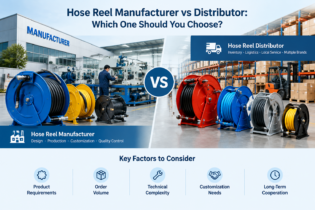
Hose Reel Manufacturer vs Distributor: Which One Should You Choose?
September 30, 2026
High Pressure Hose Reel vs Low Pressure Hose Reel: The…
June 18, 2026
Best Air Hose Reels for Industrial and Home Use
May 20, 2026