Mobile refueling
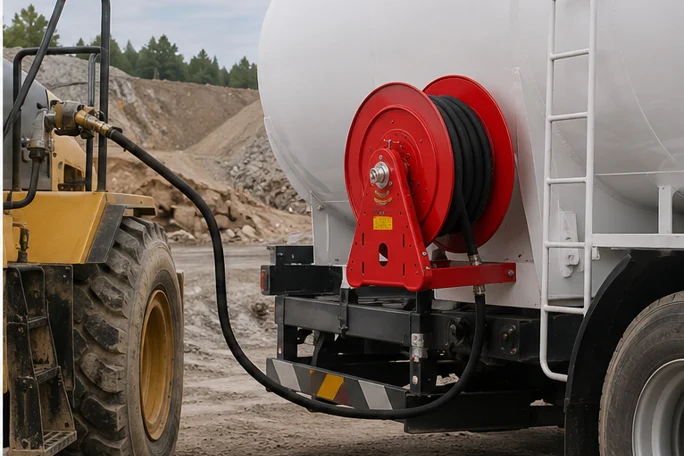
Share the service truck layout and hose exit direction, then check access to the swivel inside the reel bay.
Specify Exact fuel, delivery reach and mounting footprint.
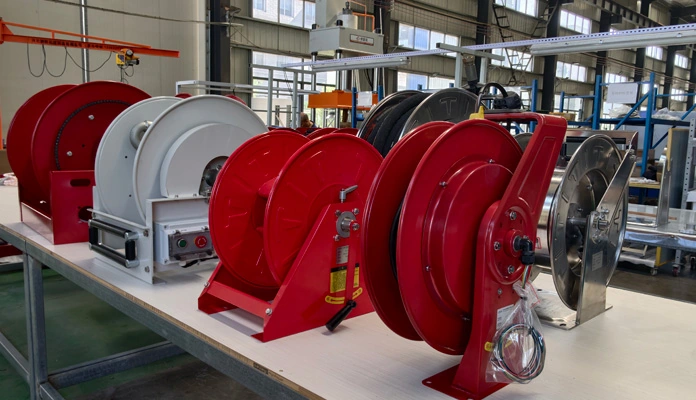
Plan hose storage and payout for mobile service trucks and fixed fleet dispensers. Start with the exact fuel and dispensing equipment, then review compatibility for the full hose assembly.
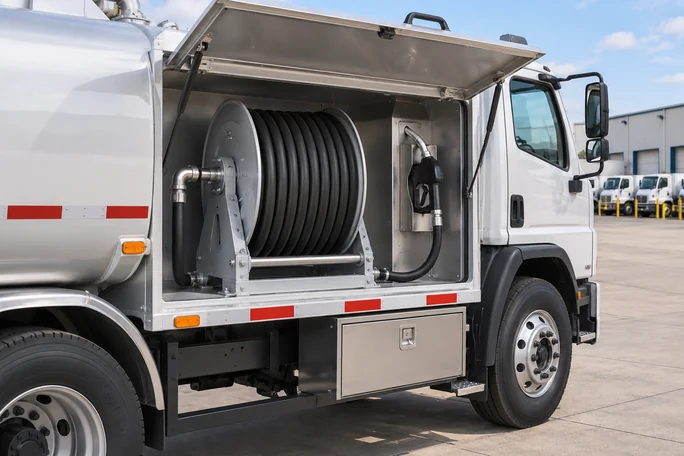
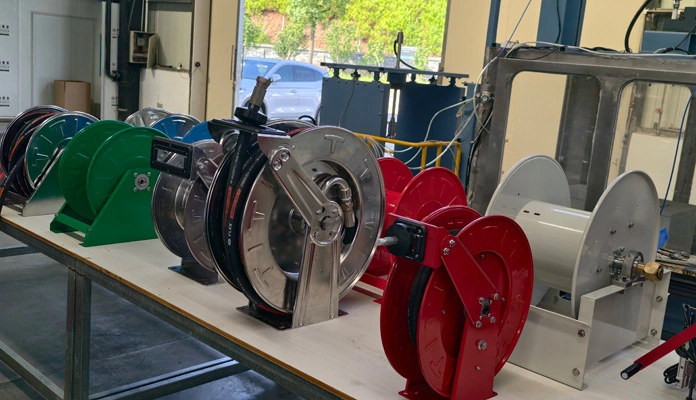
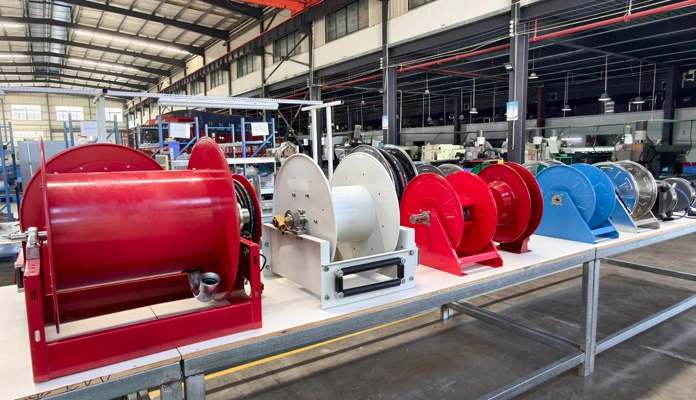
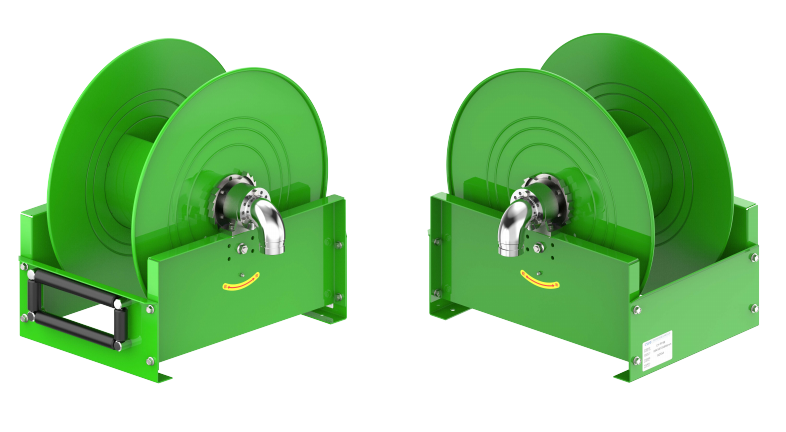
A fuel dispensing reel stores and guides the delivery hose between the dispenser and vehicle. Confirm the fuel, seals, hose, swivel and end connections for the exact assembly you intend to order.
Separately document the pump, dispenser and installation requirements. The project team should confirm requirements for grounding or bonding and the suitability of any powered rewind at the specified location.
Share the service truck layout and hose exit direction, then check access to the swivel inside the reel bay.
Specify Exact fuel, delivery reach and mounting footprint.
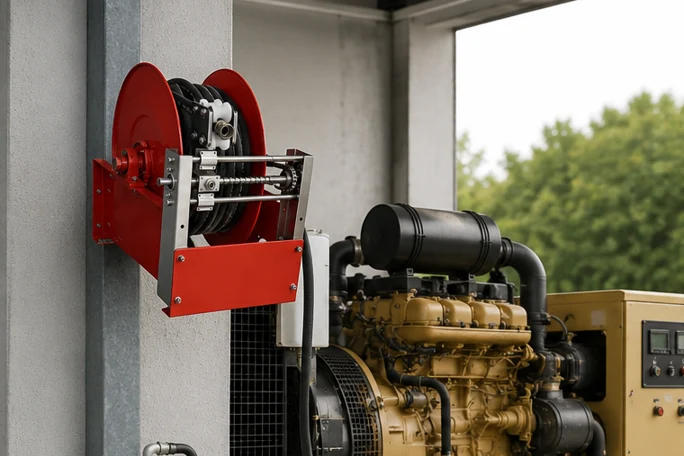
Plan a fixed reel position around the dispenser and vehicle lanes. Confirm pressure and flow for the intended dispensing duty.
Specify Dispenser specification, outlet connection and mounting location.
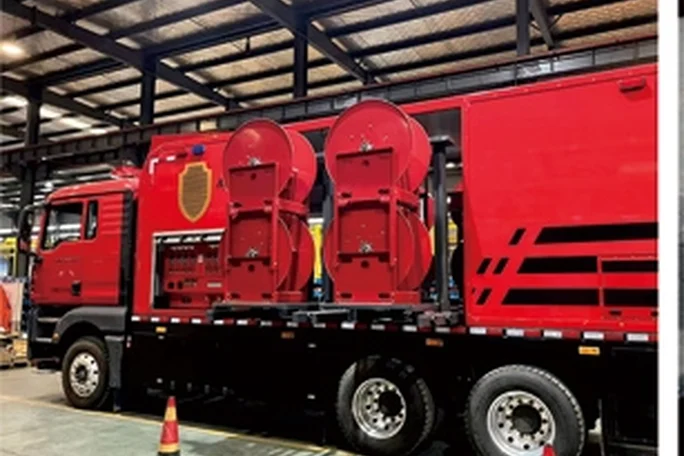
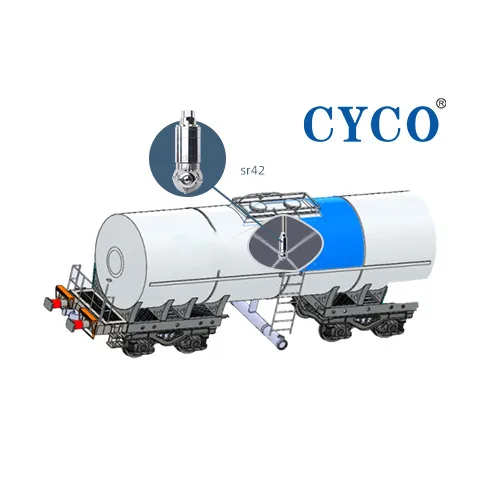
Check the reel bay against the tanker builder’s equipment layout. Compare the proposed reel and hose with the specified delivery circuit.
Specify Hose outside diameter, loaded weight and access to fittings.
Include these details with your drawings and equipment data when requesting a configuration.
State diesel, gasoline or the exact blend. Ask for compatibility details for the supplied hose, seals and swivel.
Share pump and dispenser data, including working flow, maximum pressure and connections.
Provide hose size, working length, bay dimensions and payout direction.
Include site or vehicle specifications for the drive, equipment documentation and bonding or grounding provisions.
Compatibility depends on the exact blend and wetted materials. Ask the supplier to document compatibility for the intended fuel and assembly.
Send the reel bay drawing, hose exit direction, working length, connections and loaded hose weight.
Ask which components are included in the quotation. Identify the required hose, fittings and dispenser connection for the complete assembly.
Provide the drive requirements and the site or vehicle installation specification. Have the project team check suitability of the supplied configuration.