Why Does My Electric Hose Reel Fail to Retract Fully?
June 8, 2026 | Electric Hose Reels, Industrial Hose Reels
Introduction
Briefly explain why incomplete hose retraction is a common issue in industrial hose reel systems. Mention that while the reel may still operate, partial retraction can reduce efficiency, increase hose wear, and create safety hazards in the workplace.
How a Electric Hose Reel Retraction System Works
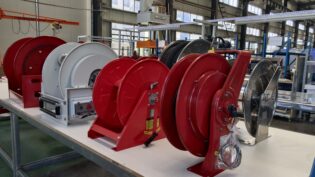
An electric hose reel retracts and stores hoses by using a powered drive system to rotate the reel drum. Depending on the application, the reel may be driven by an electric motor, air motor, or hydraulic motor. Power is transmitted through a gear or chain mechanism, generating the torque required to rewind the hose smoothly and consistently. During retraction, a hose guide system helps distribute the hose evenly across the drum, preventing tangling, overlapping, and excessive wear. The coordinated operation of the drive unit, transmission system, reel drum, and guide mechanism ensures reliable hose recovery, improved workplace safety, and efficient hose management in industrial environments.
Common Causes of the Hose Not Retracting Fully
1. Excessive Hose Weight or Increased Load
One of the most common reasons an electric hose reel fails to retract fully is excessive hose weight or increased operating load. As hose diameter and length increase, the overall weight of the hose becomes significantly greater, especially when it contains water, oil, fuel, or other fluids. The additional load requires more torque from the drive system during retraction. If the hose weight exceeds the reel’s design capacity or operating conditions change over time, the motor may struggle to generate sufficient pulling force. This can result in slower retraction, incomplete hose recovery, increased stress on transmission components, and reduced overall system performance.
2. Uneven Hose Winding on the Reel Drum
Uneven hose winding is another common cause of incomplete hose retraction. When the hose is not distributed evenly across the reel drum, it can overlap, cross over itself, or form localized stacking areas. These irregular winding patterns increase friction and resistance during retraction, making it more difficult for the drive system to pull the hose back smoothly. Over time, misalignment can also cause hose deformation, accelerated wear, and occasional jamming. Uneven winding is often associated with damaged guide mechanisms, improper hose handling, or the absence of an effective level-wind system that ensures consistent hose placement during operation.
3. Wear and Tear in the Transmission System
Transmission system wear is a common issue in electric hose reels that operate under continuous or heavy-duty conditions. Components such as gears, chains, bearings, and couplings gradually experience wear due to friction, load fluctuations, and long-term use. As these parts deteriorate, power transmission efficiency decreases, reducing the torque available for hose retraction. This can cause the reel to retract more slowly or fail to recover the hose completely. Common warning signs include unusual noise, vibration, slipping, or intermittent operation. Regular inspection and maintenance of transmission components are essential for maintaining reliable retraction performance.
4. Insufficient Driving Power
If the motor lacks sufficient torque, the reel may stop short of full retraction. Common causes include low voltage supply, undersized motor selection, or worn motor components. A voltage drop over long cable runs reduces motor output, especially under load. An incorrectly matched motor—such as one rated for lighter-duty hoses—cannot overcome the resistance of a heavier or stiffer hose. Additionally, degraded motor brushes or capacitors reduce starting and running torque. Over time, electrical connections may corrode, increasing resistance and limiting current. Without enough driving force, the motor stalls before completing retraction, leaving hose slack on the reel or floor.
5. Guide System Obstruction
If the guide system gets blocked or jammed, the hose can’t retract smoothly. Dirt, rust, or small debris often builds up in the guide arm or along the feed channel. Sometimes a hose twists or kinks before reaching the guide, which stops it from moving back into place. The guide roller might also wear out, freeze up, or get knocked out of alignment after hard use. When this happens, the hose drags, snags, or feeds at a bad angle. The reel motor keeps trying, but the hose stops short because something physically blocks its path. Cleaning the guide path and checking for worn parts usually solves the problem.
6. Electrical or Control System Problems
Not all retraction issues are caused by mechanical wear. In many cases, the problem may come from the electrical or control system that operates the hose reel. Unstable voltage, damaged switches, loose wiring, faulty relays, or control signal interruptions can prevent the drive unit from running properly. omponents such as limit switches also play an important role in controlling hose reel operation and preventing over-travel or mechanical damage. As a result, the reel may stop before the hose is fully recovered or operate inconsistently during retraction. These issues are often difficult to identify because the reel may still function intermittently. Regular inspection of electrical components and control systems can help prevent unexpected downtime and ensure reliable hose reel operation.
7. How Environmental Factors Affect Electric Hose Reel Retraction
Cold weather stiffens hoses and thickens lubricants, making the motor work harder. Heat can soften or damage hose materials over time. Moisture causes rust on the drum, guide, and motor parts, increasing friction and electrical failures. UV rays make hoses brittle and cracked, which snags on the reel. Dust and dirt build up in the guide system, creating physical blocks or abrasive wear that stops smooth retraction.
These problems force the motor to struggle or stall before the hose fully retracts. Regular cleaning, corrosion-resistant materials, and UV-rated hoses help reduce these environmental impacts.
How to Troubleshoot a Hose That Won’t Fully Retract
Start by checking the easiest things first. Look for dirt, rust, or debris stuck in the guide arm or along the hose path. Clean any blockages you find.
Next, inspect the hose itself. If it feels stiff, cracked, or kinked, it may create too much drag for the reel to overcome.
Then, test the driving power. For electric reels, make sure the power supply matches the motor’s requirements. Low voltage or loose connections often cause weak retraction.
Check moving parts as well. A worn guide roller, corroded drum, or dry bearings can add friction and stop the hose before it fully returns.
Finally, listen to the motor. If it runs but the hose stops moving, the problem is likely mechanical. If the motor struggles or barely turns, focus on electrical or power issues. Work from simple to complex, and you will usually find the cause.
How Better Design Reduces Retraction Problems
Small design changes make a big difference. A wider guide arm stops the hose from pinching or binding. Smooth, sealed bearings keep dirt out and the drum turning freely. A strong, well-matched motor handles stiff hoses without stalling. Corrosion-resistant materials and sealed electrical parts survive moisture and dust. A simple, straight hose path with no sharp bends reduces drag. Rubber bumpers and limit switches prevent over tightening or jamming. Good designs also make cleaning and greasing easy. When every part works without extra friction or weak spots, the hose comes back every time.
Simple Preventive Maintenance Tips
Check the hose and guide arm once a month for dirt, rust, or cracks. Clean off any mud or grime right away. Grease the moving parts like bearings and the spring drum every few months. Flush out the hose if you use it for chemicals or dirty water. Keep electrical connections dry and tight on electric hose reels. Do not leave the hose sitting in the sun for weeks on end. If the hose feels stiff or the reel sounds rough, fix it early before it jams for good. A little care now saves a big repair later.
Conclusion
An electric hose reel is a highly efficient system designed to ensure smooth and controlled hose retraction through the coordinated operation of its drive unit, transmission system, reel drum, and hose guide mechanism. When all components function properly, the reel delivers consistent hose recovery, reduces manual effort, and improves workplace safety in industrial environments.
Incomplete retraction is often caused by a combination of factors, including excessive hose weight, uneven winding, transmission wear, insufficient driving power, guide system obstruction, electrical or control failures, and environmental influences. In most cases, these issues develop gradually due to operating conditions and lack of maintenance. By understanding these root causes and implementing regular inspection, proper system selection, and preventive maintenance, you can significantly improve reliability, extend equipment service life, and ensure stable long-term performance of electric hose reel systems.
In some cases, recurring retraction problems can also indicate that the hose reel type is not well matched to the hose size, operating frequency, or application requirements. To understand when a spring-driven hose reel or a electric reel is the better choice, read our guide: Spring-Driven vs. Electric Hose Reels.
Related Posts
Top 10 Industrial Hose Reel Manufacturers in the World [2026]
October 8, 2026
Top 10 Industrial Hose Reel Manufacturers in China [2026]
September 2, 2026