Hydraulic Hose Reel Safety Operating Procedures
August 5, 2026 | Hydraulic hose reels
Introduction
Hydraulic hose reels have become an essential part of industry, construction, and mobile operations because they allow relatively long lengths of hose to be stored, protected, and easier to handle. Although industrial hose reels offer significant advantages, they are also associated with serious hazards that are often underestimated. These include injury from high-pressure fluid jets, fire and explosion risks, and injuries caused by moving machine components.
This article outlines the basic safety guidelines for operating hydraulic hose reels, divided into four parts: pre-operation checks, safe operation during use, special considerations for complex working environments, and safe handling and maintenance procedures after operation.
I. Pre-Operation Safety Checks
A thorough pre-operation safety check, which takes only a few minutes, can help prevent serious equipment failures and accidents.
1. Ensure the System Is Depressurized
Before attaching or removing any hoses from the reel, always make sure that the hydraulic system is fully depressurised. Make sure that the pressure gauge shows zero by activating the pressure relief valve. Any residual pressure in the hose will cause it to whip violently when removed.
2. Check Grounding and Electrostatic Control
Grounding and electrostatic control must not be disregarded. Discharges due to static spark caused by fluid motion or mechanical friction are capable of igniting combustible gases, which is particularly risky in chemical plants, refineries and painting booths. Always check the continuity of the grounding wire and ensure it is securely connected to a verified grounding terminal. In designated hazardous areas, only use conductive hoses specifically designed for static dissipation.
3. Inspect the Reel Mechanism
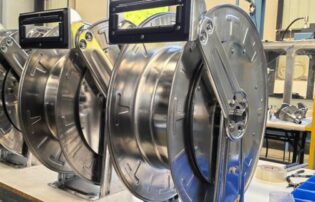
Inspect the reel drum, frame, and mounting bolts for damage or looseness. Verify that the brake, holding device, and any locking mechanisms are functioning correctly.
4. Inspect Core Hydraulic Components
Observe the rotary joints and seals for oil leaks, residual oil, etc. Aging and worn seals are a major cause of equipment pressure loss and oil leakage. Test the rotational flexibility of the drum and bearings to ensure there are no jams, jams, abnormal noises, or other abnormalities.
5. Inspect the Condition of the Hydraulic Hose
Check the hose surface for cracks, bulges, wear, delamination, or other damage. Verify the hose’s rated pressure parameters to ensure they match the system’s working pressure. It is strictly forbidden to use aged, substandard, or mismatched hoses for high-pressure hydraulic operations.
II. Safety Precautions During Operation
The risk profile changes significantly after the system is pressurized. Operators must remain vigilant throughout the entire work cycle.
1. Prevent High-Pressure Fluid Injection Injuries
High-pressure fluid injection injuries are among the most serious hazards of hydraulic systems. High-pressure fluid in a hydraulic system can jet out at high speed from a leak as small as a pinhole, penetrating the skin and entering the underlying tissue. While the external wound may appear small, such injuries can cause severe tissue damage and may even threaten the affected limb if not treated promptly.
Never touch a leak with your hands; instead, use a piece of cardboard to scratch the area being inspected. If the cardboard shows cuts, a leak is present. During system pressurization and operation, keep all parts of the body away from hose ends, fittings, and connectors to reduce the risk of injury from sudden hose movement or component failure.
2. Prevent Fire and Explosion Hazards
Proactive fire and explosion prevention measures are essential. Many hydraulic fluids are flammable, and atomized oil mist from leaks can create a hazardous combustion environment if it comes into contact with ignition sources such as welding arcs, grinding sparks, or high-temperature surfaces.
Keep hose reel operations and hot work strictly separated. In high-risk environments, consider using suitable fire-resistant hydraulic fluid and ensure adequate ventilation, especially when working in areas prone to vapor buildup, such as pits, trenches, or confined spaces.
3. Avoid Hazards from Moving Reel Components
Dangers from moving parts of the reel should be controlled through appropriate protective measures. Spring-driven reels store significant amounts of energy, and a sudden release during maintenance can cause serious injury. Always secure the reel with locking pins or suitable mechanical stops before performing maintenance.
During normal operation, keep hands, gloves, and loose clothing away from the rotating hub and guide arm. Where possible, protective covers should be installed around exposed gears or other moving components.
III. Special Considerations for Different Operating Conditions
Standard safety procedures should be adapted to the working environment. Different application scenarios may introduce additional risks, requiring specific precautions.
In flammable and explosive environments, standard hose reels may not be suitable. Reel systems using materials and functions suitable for hazardous environments should be used. Proper grounding and connection procedures should be maintained, and hoses with electrostatic dissipation characteristics should be selected where necessary. Depending on the specific application, additional safety measures may be required to control ignition risks.
For high-pressure systems, additional precautions must be taken. Hoses with a safety factor matching the system’s maximum pressure should be used. Where applicable, protective sleeves or whiplash protection devices should be installed to control hose movement in the event of a failure. Operators should receive appropriate training in high-pressure emergency response and be aware of warning signs such as abnormal vibration, noise, or localized hose overheating.
In mobile or vehicle-mounted applications, the dynamic environment presents challenges not present in fixed installations. Use appropriate hardware to securely fasten the reel holder to the vehicle frame, as continuous vibration can cause fasteners to loosen over time. Carefully arrange the hose to avoid contact with sharp edges, suspended components, or moving parts. The hose should have sufficient flexibility to accommodate vehicle movement and avoid excessive bending or stress. A guide arm or remote control device can further enhance safety during hose retrieval.
IV. Post-Operation Safety Handling and Maintenance Procedures
Proper post-operation handling can effectively delay the aging of equipment parts and maintain the long-term stable operation of the hydraulic reel.
After operation, the residual pressure in the hydraulic system must be completely released before retracting the hose. Rewinding the hose under pressure is strictly prohibited, as it can easily damage the internal springs and guide structures. Rewind slowly, ensuring the hose is neatly layered and stored without any misalignment or stacking.
Clean the surface of the hose and the reel body of hydraulic oil, dust, and sediment to keep the equipment and pipelines clean and prevent corrosive residues from accelerating wear on parts. Regularly check the equipment’s locking function, spring rewind tension, and bearing rotation sensitivity.
When the equipment is idle for extended periods, the spring tension should be appropriately released to prevent permanent fatigue deformation of the springs; store the hose in a dry, ventilated environment to prevent hydraulic oil deterioration and hose cracking and aging.
Conclusion
The safety of hydraulic hose reels cannot be guaranteed by a checklist alone; it requires well-trained operators, well-maintained equipment, and consistent operating procedures. Most hose reel-related accidents can be reduced through regular inspections, increased awareness of pressure hazards, and proper operating procedures.
A brief pre-operation check helps identify potential problems before they escalate into serious failures. Every connection, pressurization process, and hose movement should be handled with care, prioritizing safety over speed and convenience.
By following proper hydraulic hose reel safety operating procedures, businesses can protect workers, reduce equipment downtime, and maintain reliable performance in industrial and mobile applications.
Related Posts

Hose Reels for Paper Mills: Applications in Paper Production
September 17, 2026
Common Hydraulic Hose Reel Failures and Troubleshooting
August 12, 2026