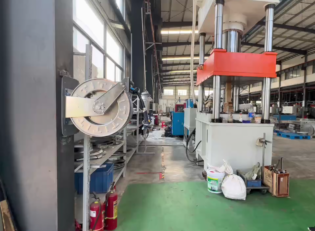
How to Maintain an Electric Hose Reel for Longer Service Life
June 3, 2026 | Electric Hose Reels, Industrial Hose Reels
Electric hose reels adopt electric, hydraulic or pneumatic driving structures to realize automatic winding and unwinding of industrial hoses, which are essential supporting equipment for fluid transportation in manufacturing workshops, construction engineering, mining exploitation and marine operation projects. In complex on-site environments, equipment is constantly affected by floating dust, humid air, corrosive liquid splashes and long-term mechanical vibration. Key spare parts such as driving motors, rubber hoses, rotary swivel joints and load-bearing bearings are susceptible to accelerated aging and damage. Without standardized daily maintenance, common faults including pipeline leakage, winding jamming, motor overheating and unexpected shutdown will frequently occur, bringing unnecessary maintenance costs and production stagnation losses for enterprises. To maximize equipment utilization and service cycle, this article summarizes complete and operable maintenance specifications covering cleaning lubrication, component inspection, environmental protection and periodic maintenance planning for electric hose reels.
Keep Equipment Clean & Implement Standard Lubrication Management
Long-term field operation inevitably makes dirt, industrial sludge, residual grease and fine sand accumulate on reel drums, guide rollers, transmission gears and chain components. If these impurities are not cleared regularly, they will increase internal friction during hose winding, scratch hose outer skin and wear down the matching clearance of movable parts step by step. Operators should arrange regular surface cleaning work, focusing on dead corners of guide arm and exposed transmission structures where dirt is easy to deposit, and wipe residual oil and sundries with dry rags or neutral cleaning agents.
Scientific lubrication is another core of daily maintenance. Bearings, rotating pin shafts, transmission gears and driving chains need to be filled with designated lubricating oil or grease in strict accordance with the manufacturer’s cycle requirement. Proper lubricant can form an isolation film between metal contact surfaces to reduce abrasion and ensure flexible operation. Meanwhile, excessive oil injection must be forbidden, since redundant grease will stick to dust and form hardened dirt layer instead, causing blocking and extra component loss. Well-maintained clean and lubricated reels can effectively reduce internal mechanical loss and keep stable operating efficiency in long-time continuous work.
Periodic Comprehensive Inspection of Core Components
Regular targeted inspection can discover potential hidden troubles in advance and avoid small defects developing into costly breakdown repair. The first inspection target is the conveying hose; operators need to check the whole pipeline for surface abrasion, hard cracks, permanent kinks and liquid leakage every week. If a hose shows severe abrasion, cracking, or leakage, replacing it promptly can help prevent further damage to the reel and reduce downtime. See our guide on How to Replace the Hose on a Hose Reel for a step-by-step replacement process. Next is swivel joints and sealing assemblies, these parts bear lasting fluid pressure and rotary friction, corrosion and aging sealing rings are the main cause of medium leakage, once abnormal seepage appears, relevant accessories need immediate replacement.
In addition, the motor and power drive unit is the heart of the reel. Unusual operating noise, continuous high vibration, shell overheating or inconsistent winding speed are early warning signs of internal mechanical or electrical faults, which need disassembly inspection and troubleshooting promptly. All mounting bolts, fixed brackets and structural fasteners also cannot be ignored; repeated vibration in daily use will gradually loosen connecting fittings and damage equipment stability, so regular fastening is indispensable for overall structural safety.
Take Protective Measures Against Harsh Working Environments
Ambient condition is a decisive factor affecting reel service life. Equipment arranged outdoors faces long-term sunshine UV radiation, rain erosion and sharp temperature fluctuation, while coastal and chemical factories suffer salt mist and corrosive gas all year round, all these adverse factors accelerate metal rusting and rubber accessory aging. Under such circumstances, users should try to install hose reels under rainproof canopy or equip matched protective outer housing to block dust and corrosive substances. When purchasing replacement parts for severe corrosion scenes, stainless steel hose reels and structural accessories are preferred to improve corrosion resistance.
For reels out of service for a long period of downtime, proper storage protection is required. Put cleaned equipment in dry, ventilated indoor warehouse away from damp ground and corrosive raw materials, preventing unused hoses and sealing parts from going bad due to moisture and mildew.
Build Standard Preventive Maintenance Schedule
Switching from passive emergency repair to active preventive maintenance is the most economical way to prolong reel service life. Formulate three-level maintenance plan based on equipment operating intensity: daily quick appearance inspection to check leakage, loose parts and abnormal operation; monthly routine maintenance focusing on full-component lubrication, bolt tightening and motor performance test, replacing minor damaged fittings on spot; regular quarterly overhaul to replace consumables such as aging sealing rings, worn bearings and degraded hoses in batches.
This systematic maintenance mode effectively avoids sudden production halt caused by unexpected faults, cuts overall post-failure maintenance expenditure and keeps long-term stable equipment performance.
Conclusion
Routine cleaning, standardized lubrication, periodic component inspection and targeted environmental protection constitute the complete maintenance system of electric hose reels. Enterprises can greatly reduce component wear and avoid high-cost breakdown repair by formulating fixed preventive maintenance plans and eliminating tiny faults in the budding stage. Scientific maintenance not only extends equipment service cycle remarkably but also improves workshop production safety, controls long-term operating expenses, enabling electric hose reels to maintain stable and reliable performance under various harsh industrial application conditions.
If you’re interested in enhancing your electric hose reel systems, browse our selection of smart hose reel technology. Once you have your new upgrades, don’t forget to practice these maintenance tips to keep your system operating soundly for years to come.
Related Posts
Air Hose Reels for Service Trucks: Complete Guide
August 6, 2026
How to Choose a Large Capacity Hose Reel for Heavy-Duty…
July 13, 2026
Industrial Hose Reel Specifications & Model Parameters
September 4, 2026