How to Choose the Right Grease Hose Reel
July 9, 2026 | Industrial Hose Reels
Introduction
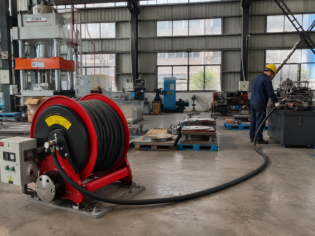
A grease hose reel is an essential component in lubrication systems used across automotive workshops, industrial plants, construction sites, and heavy equipment maintenance facilities. It keeps grease hoses organized, protects them from damage, and allows technicians to dispense lubricant quickly without dealing with tangled or worn hoses.
Selecting the right grease hose reel involves more than simply choosing a reel that fits the hose. Factors such as hose length, working pressure, operating environment, and frequency of use all affect long-term performance. Choosing equipment that matches your application helps improve lubrication efficiency, reduce maintenance costs, and extend hose service life.
What Is a Grease Hose Reel?
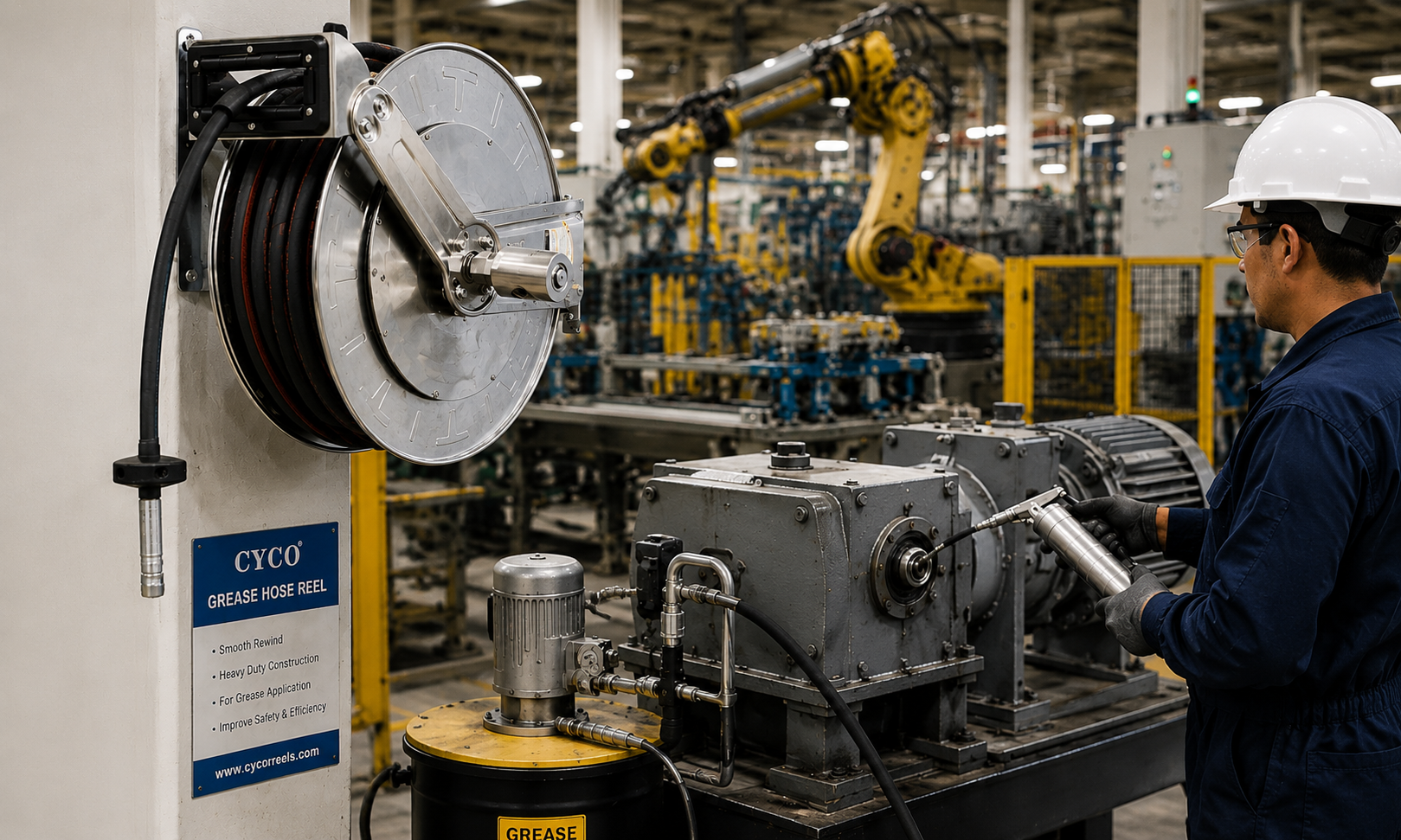
A grease hose reel is designed to store, deploy, and retract hoses used for grease dispensing. Unlike ordinary hose storage devices, it is built to handle the pressure and continuous operation associated with industrial lubrication systems.
A typical industrial grease hose reel consists of a steel drum, swivel joint, hose guide, and a rewind mechanism. Depending on the application, reels may be manually operated, spring-driven, or motor-driven. These systems keep hoses neatly wound when not in use, reducing twisting, abrasion, and contamination while maintaining a clean and organized workspace.
Grease hose reels are commonly installed in fixed lubrication stations, maintenance workshops, production facilities, and mobile service vehicles where reliable grease delivery is required throughout the day.
Common Applications of Grease Hose Reels
Grease hose reels are used wherever equipment requires routine lubrication. Different applications have different operating requirements, making it important to select a reel that matches the working environment.
Automotive Repair Shops
Vehicle maintenance requires frequent lubrication of bearings, suspension components, and chassis fittings. A retractable grease hose reel allows technicians to extend the hose when needed and retract it immediately after use, reducing clutter and improving workshop safety.
Heavy Equipment Maintenance
Construction, mining, and agricultural machinery contain numerous lubrication points that require regular servicing. Long grease hoses are often used around large equipment, making a durable grease dispensing hose reel essential for protecting the hose and improving maintenance efficiency. For larger hose capacities and demanding working conditions, a heavy duty hose reel is often the preferred solution.
Manufacturing Facilities
Factories rely on preventive maintenance to keep production equipment operating reliably. Installing grease hose reels at lubrication stations allows maintenance personnel to access grease quickly while keeping hoses protected from accidental damage and contamination.
Mobile Service Trucks
Field service vehicles perform equipment maintenance directly at customer sites. A compact grease reel mounted on the vehicle keeps hoses organized during transport and enables fast deployment whenever lubrication is required.
How to Choose the Right Grease Hose Reel
a. Select the Proper Hose Length and Reel Capacity
The first step is matching the reel to the hose dimensions. Reel capacity depends on both hose diameter and hose length, and selecting the wrong size can reduce operating efficiency.
Common grease hose diameters include 1/4 inch, 3/8 inch, and 1/2 inch. Smaller hoses are suitable for light-duty lubrication tasks, while larger hoses provide higher flow rates for heavy industrial equipment.
Hose length should also be considered. Short hoses work well in compact workshops, while longer hoses are preferred for servicing large machinery or covering multiple work areas. The reel should be capable of storing the entire hose while allowing smooth winding and unwinding without excessive bending.
b. Match the Working Pressure
Working pressure is another critical consideration. The reel should always be compatible with the maximum operating pressure of the lubrication system.
Industrial grease systems often operate under higher pressure than water or air applications. Choosing a reel with an adequate pressure rating ensures reliable sealing performance and helps prevent premature wear of swivel joints and internal components.
As a general guideline, the reel’s rated working pressure should exceed the system’s normal operating pressure and include an appropriate safety margin to accommodate pressure fluctuations during operation.
c. Choose the Right Drive Type
The rewind system affects both productivity and operator effort.
Manual grease hose reels are suitable for applications with shorter hoses and relatively low usage frequency. They offer a simple structure, low maintenance requirements, and economical operation.
Spring-driven reels automatically retract the hose after use, making them an excellent choice for workshops where lubrication is performed repeatedly throughout the day. Automatic retraction helps reduce operator fatigue while keeping work areas organized.
Motor-driven grease hose reels are designed for long or heavy hoses used in large industrial facilities. Powered retraction minimizes manual handling and improves efficiency in continuous-duty applications.
d. Consider the Installation Environment
The operating environment has a direct impact on reel durability.
Indoor workshops generally require durable construction capable of withstanding frequent daily use. Outdoor installations should prioritize corrosion resistance to withstand moisture, sunlight, and changing weather conditions.
In environments where grease, dust, or other contaminants are present, sealed bearings and corrosion-resistant finishes help protect internal components and reduce maintenance requirements. For highly corrosive conditions, stainless steel construction may provide additional long-term durability.
Features to Look for in a Grease Hose Reel
Beyond basic specifications, several design features can improve reliability and reduce maintenance throughout the equipment’s service life.
A large drum capacity allows the reel to accommodate longer hoses while reducing bending stress during winding. A smooth hose retrieval system keeps the hose evenly wrapped and minimizes twisting or overlapping.
A high-quality full-flow swivel joint maintains continuous grease flow while the drum rotates, reducing pressure loss and improving dispensing efficiency. A heavy-duty steel frame provides the strength required for demanding industrial environments, while a corrosion-resistant finish helps protect the reel from moisture, chemicals, and everyday wear.
A reliable locking mechanism allows operators to secure the hose at the desired working length, improving convenience during lubrication tasks. Easy-access components also simplify routine inspection and maintenance, reducing equipment downtime.
CYCO grease hose reels incorporate these features to provide reliable hose management for industrial lubrication applications. Available in manual, spring-driven, and motor-driven configurations, our solutions support various hose sizes, pressure ratings, and mounting options to meet the requirements of workshops, manufacturing facilities, mobile service vehicles, and heavy equipment maintenance operations.
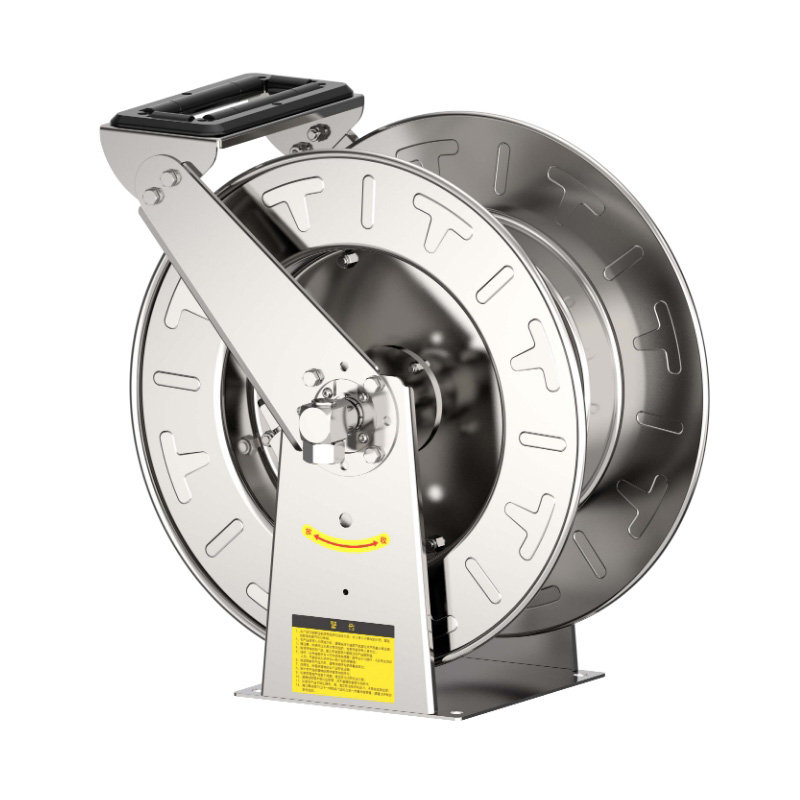
Stainless Steel Hose Reel CY-DS900
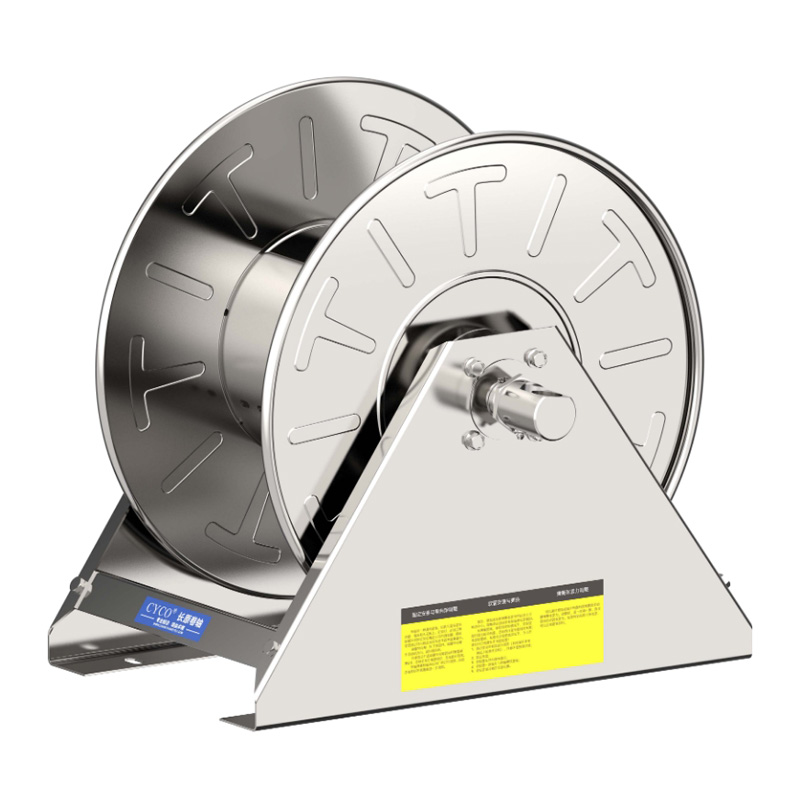
Manual Stainless Steel Fire Hose Reel CY-HS18
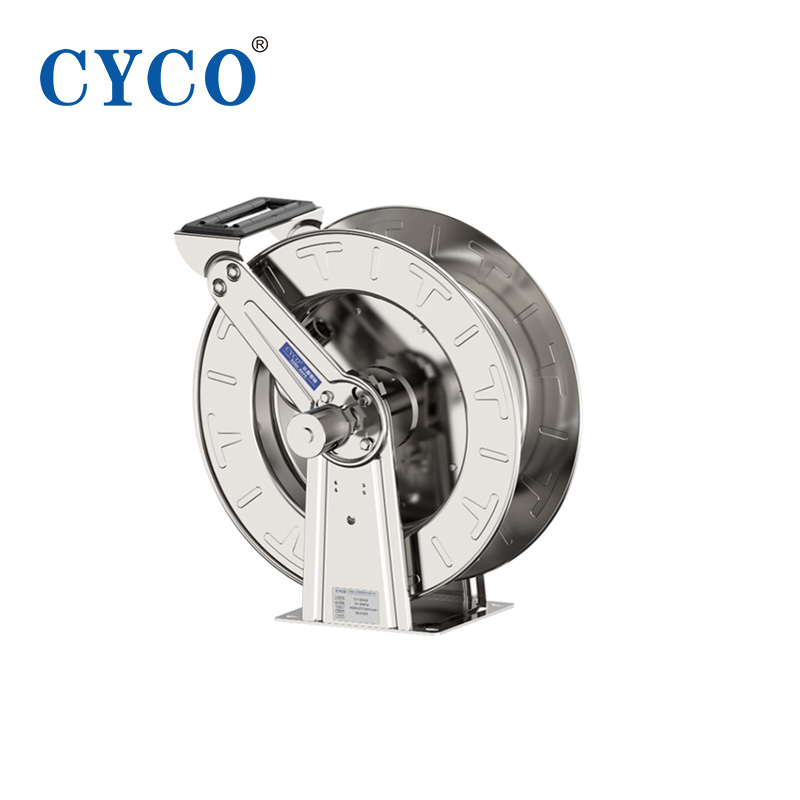
Stainless Steel Spring Driven Hose Reel CY-DS84
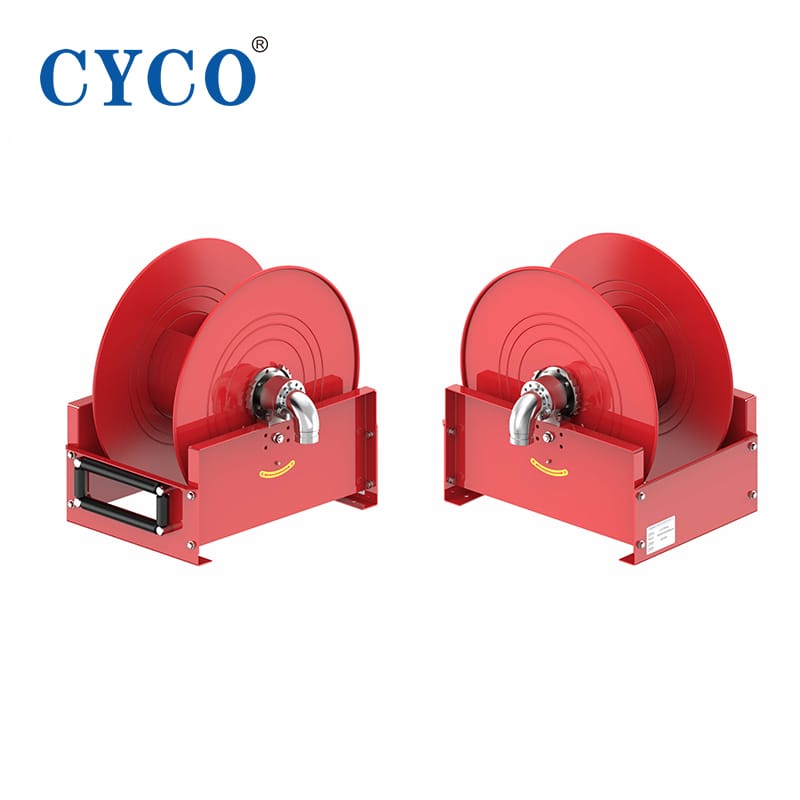
Heavy Duty Hose Reel CY-FF96 Series
Conclusion
Choosing the right grease hose reel begins with understanding your application. Hose size, reel capacity, working pressure, drive type, and installation environment all influence long-term performance and operating efficiency.
Whether you need a compact retractable grease hose reel for a maintenance workshop or a heavy-duty industrial grease hose reel for continuous lubrication operations, selecting equipment that matches your operating conditions will improve hose management, extend hose service life, and reduce maintenance costs.
Related Posts

Hose Reel Solutions for the Food and Beverage Processing Industry
September 10, 2026
Why Spring Fatigue Happens in Retractable Hose Reels
June 10, 2026